


How to Read Skincare Labels
(Without a Chemistry Degree)
A simple guide to avoiding toxins, fillers & unnecessary ingredients

What to avoid. What actually matters. How to choose products your skin recognizes.
By Chea @ Wildflower Spring Farm
WHY THIS MATTERS
Skincare wasn’t always this confusing.
Somewhere along the way, simple nourishment turned into long ingredient lists, chemical names you can’t pronounce, and products that promise everything—but often irritate dry or aging skin.
As skin matures, it becomes thinner, drier, and more sensitive. That means ingredients matter more, not less.
This guide will help you:
• Spot toxins and fillers quickly
• Understand what labels are really saying
• Choose skincare that supports—not stresses—your skin
THE GOLDEN RULE OF LABELS

If you can’t pronounce it… pause.
That doesn’t mean every long word is dangerous—but long ingredient lists are often a red flag for:
• Fillers
• Preservatives
• Synthetic fragrances
• Ingredients meant to mask problems, not solve them
Rule of thumb:
The fewer the ingredients, the easier it is for your skin to recognize and use them.
INGREDIENTS TO WATCH FOR (AND WHY)

You don’t need to memorize chemistry—just recognize patterns.
Common Red Flags:
• Fragrance / Parfum – often a mix of undisclosed chemicals
• Phthalates – hormone disruptors (often hidden under “fragrance”)
• Parabens – synthetic preservatives
• PEGs – petroleum-based compounds
• Silicones (dimethicone, cyclopentasiloxane) – create fake softness while blocking moisture
• Alcohols (SD alcohol, denatured alcohol) – drying, especially for mature skin
These ingredients don’t nourish skin—they coat it, dry it out, or irritate it over time.

WHAT ACTUALLY NOURISHES SKIN
As we age, skin needs fats, not fillers.
Look for ingredients that:
• Support the skin barrier
• Mimic natural skin oils
• Absorb instead of sitting on top
Examples of skin-supportive ingredients:
• Animal-based fats (like tallow)
• Simple oils and butters
• Herbs infused slowly, not synthetically fragranced
Your skin recognizes nourishment—it doesn’t need convincing.
WHY SIMPLE FORMULAS WORK BETTER FOR MATURE SKIN
Mature skin struggles with:
• Moisture loss
• Sensitivity
• Over-exfoliation
• Ingredient overload
More products = more irritation.
Simple skincare:
• Reduces inflammation
• Supports repair
• Improves comfort
• Builds resilience over time
Simple isn’t outdated. It’s effective.

HOW TO QUICKLY SCAN A LABEL IN 10 SECONDS
Next time you pick up a product, ask:
1. Is the ingredient list short?
2. Do I recognize most of these ingredients?
3. Is “fragrance” listed?
4. Is this nourishing—or just coating my skin?
If it feels confusing, your skin will likely feel confused too.
A BETTER APPROACH
Skincare doesn’t need to be trendy or complicated.
It should:
• Make sense
• Feel good
• Support your skin as it changes
That’s why we believe in basics—ingredients that have stood the test of time and don’t require a chemistry degree to understand.
This is exactly why we created our lavender tallow.
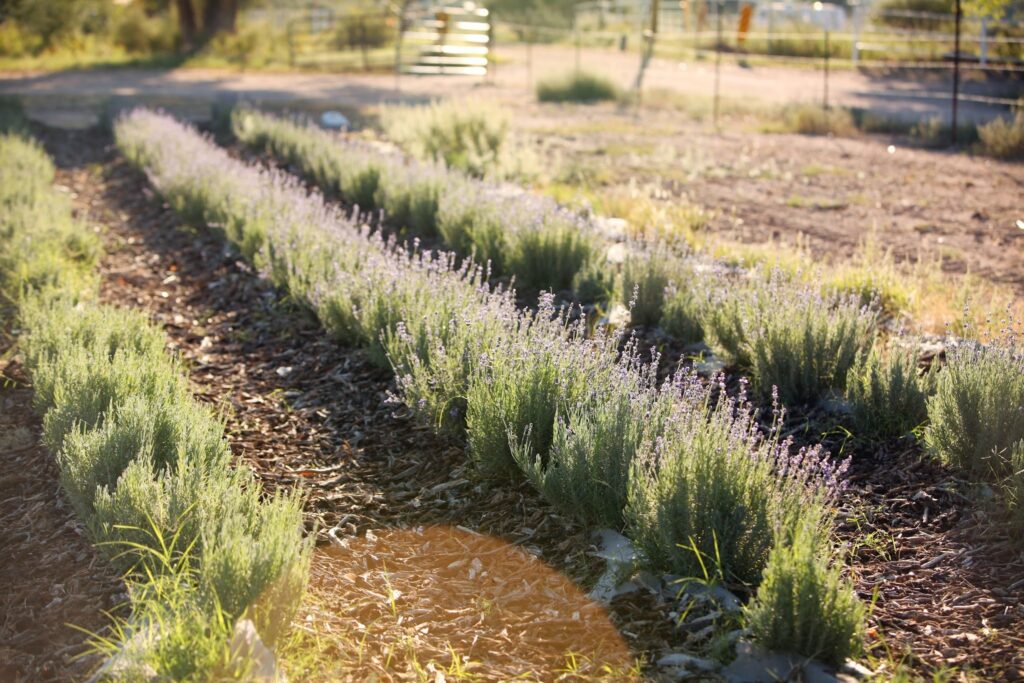
Infused with lavender grown on our farm. Free from synthetic fragrance, fillers, and chemical-heavy ingredients. Packaged simply—because preservation and nourishment don’t need hype.
If you’re simplifying your skincare, you’re in the right place.
From field to jar. From tradition to daily care.

Want more simple, grounded skincare education?
Follow along at Wildflower Spring Farm on IG or explore our lavender tallow made for dry, mature skin at Wildflowerspringfarm.com/shop
Save this guide. Share it with a friend who’s overwhelmed by skincare labels.
Download the pdf HERE
